The best short safari from Arusha if you want both big elephant herds and the crater. Day one in Tarangire, a night in the cool highlands, day two on the crater floor.
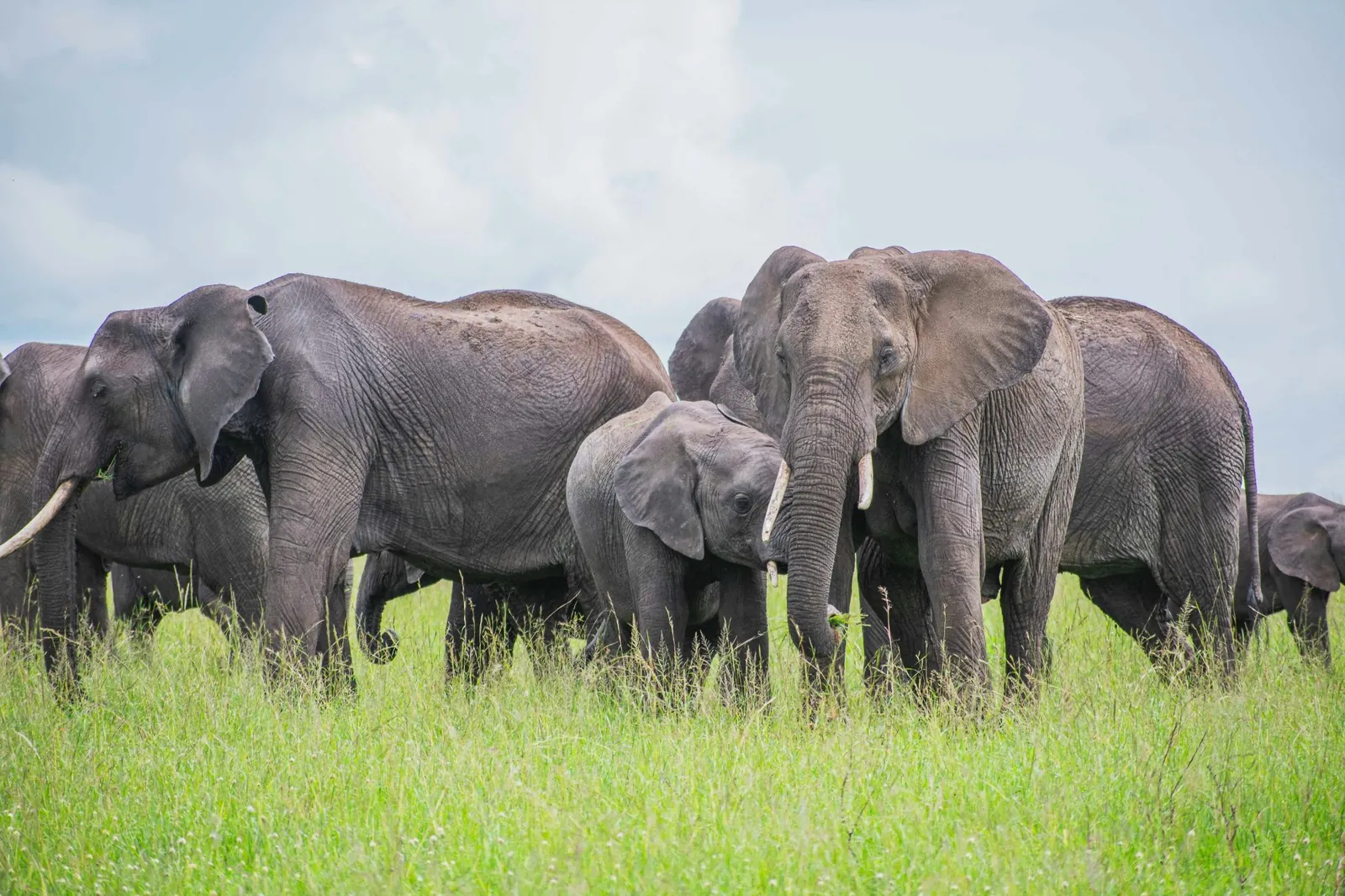
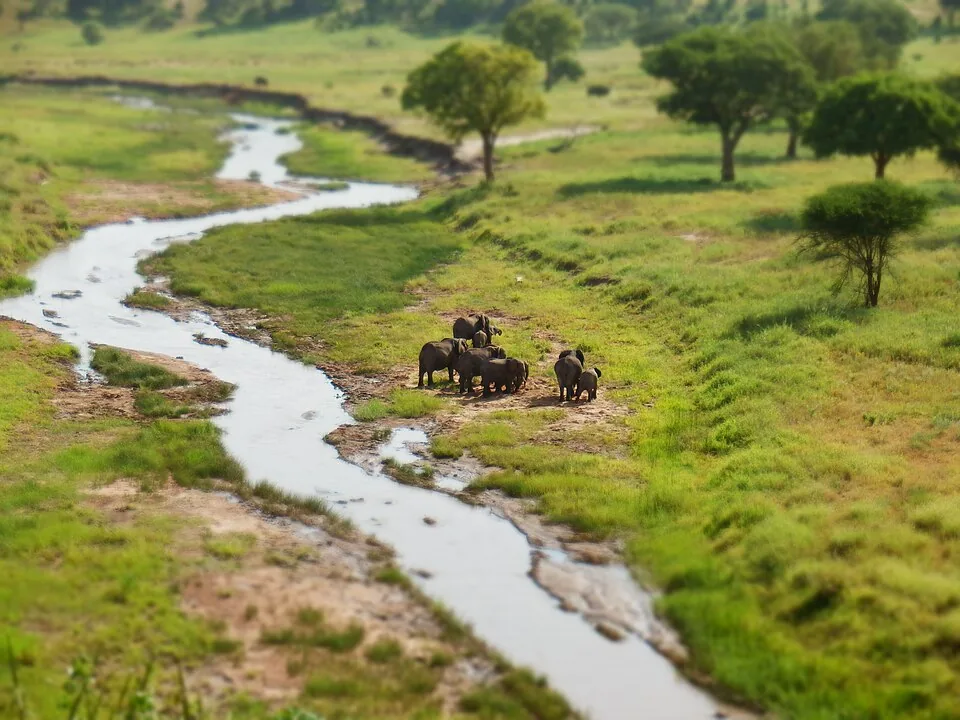
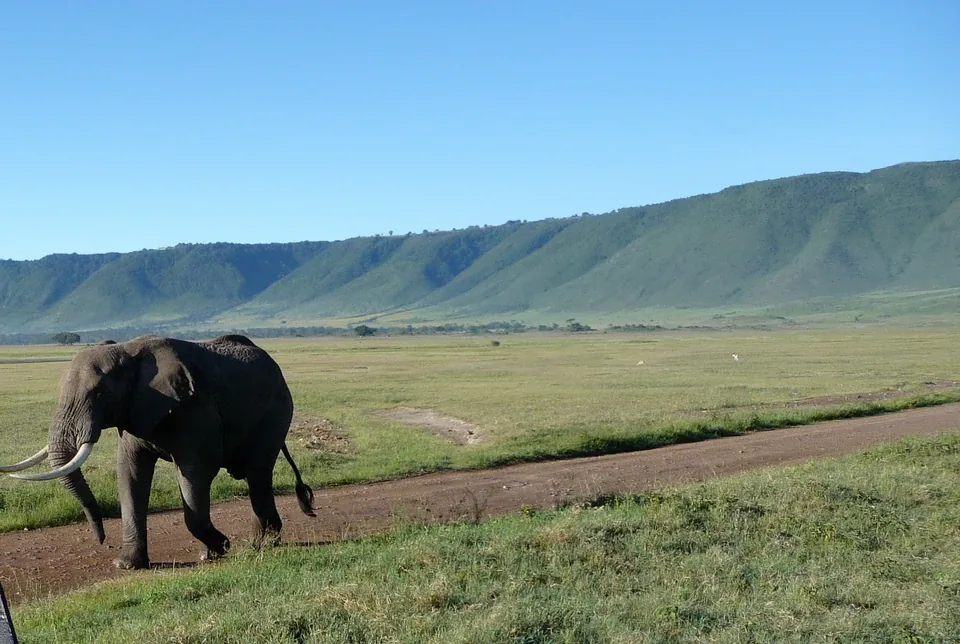
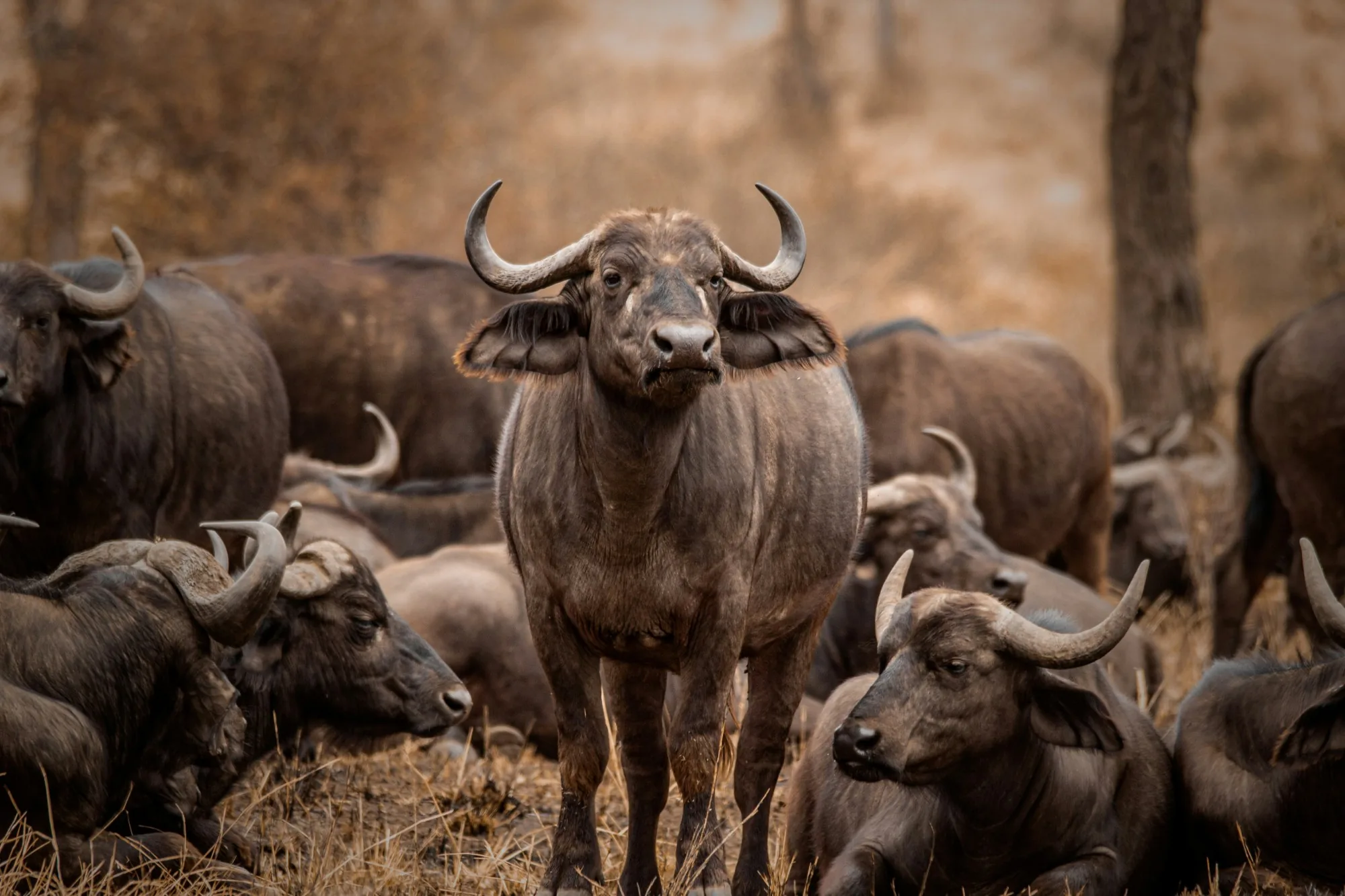
Tarangire and the Ngorongoro Crater could hardly be more different. Tarangire is dry bush and baobabs with some of the largest elephant herds in Tanzania; the crater is open grassland, swamp and lake inside a volcano, crowded with buffalo, zebras and wildebeest.
Splitting the trip with a night in Karatu keeps both days comfortable, and you go into the crater in the morning, when the light is best.
Start/EndArusha
Length2 Days / 1 Night
StylePrivate Safari
WhenAll year
Nights1, lodges & camps
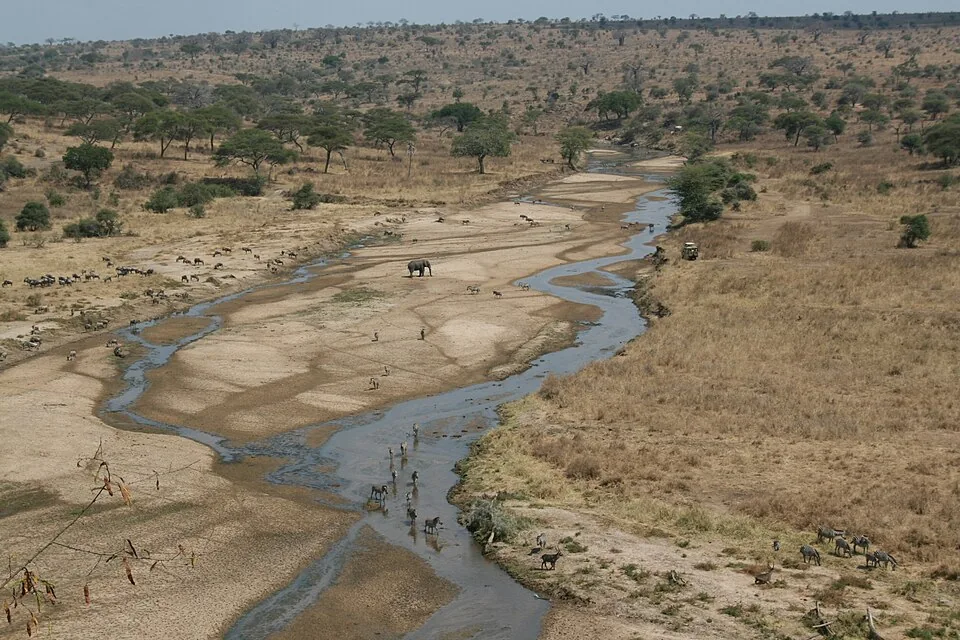
The Tarangire River in the dry season.
Why travellers choose it
01
Two of the north's best parks in two days
02
Elephants and baobabs, then the crater
03
A night in a mid-range lodge in Karatu
04
Back in Arusha by the evening of day two
Day by day
Your journey
Day 1
Tarangire, then up to Karatu
Arusha → Tarangire National Park → Karatu
We collect you from your Arusha hotel in the morning and drive about two hours to Tarangire. The day is spent on game drives with a picnic in the park, looking for elephant families, giraffes, zebras and the predators that follow them. The dry season is busiest, when animals gather along the river.
In the late afternoon you drive through Mto wa Mbu and up the escarpment to your lodge in Karatu.
Mid-range lodge in Karatu
Lunch, Dinner
Day 2
The Ngorongoro Crater and back
Karatu → Ngorongoro Crater → Arusha
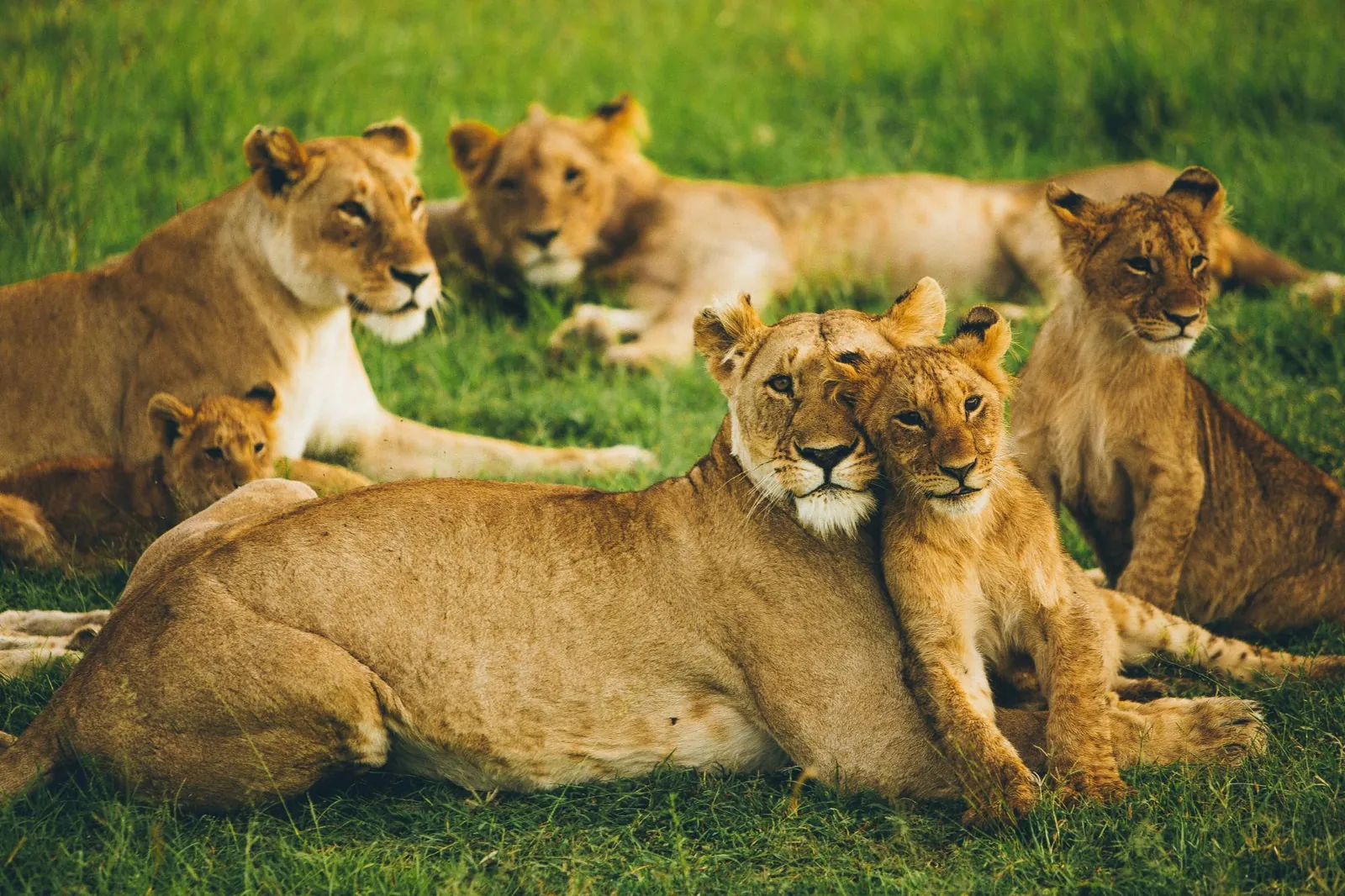
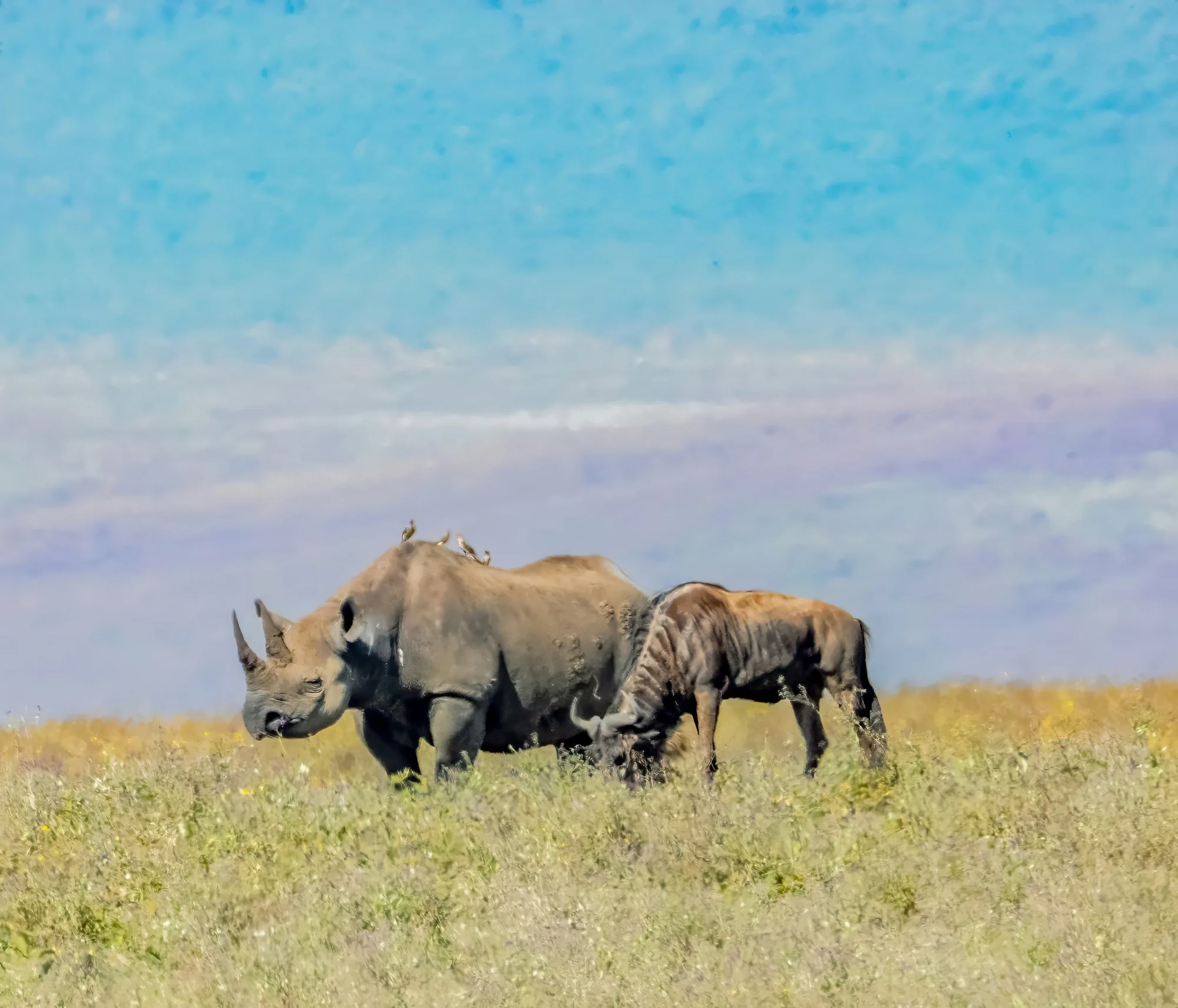
After an early breakfast you go up to the rim and down the steep road to the floor. Your game drive crosses grassland, swamp and the edge of the soda lake; lions, buffalo, hippos and herds of zebra and wildebeest are seen on most days, black rhino sometimes at a distance.
After a picnic on the crater floor you drive back to Arusha, about 3 hours, arriving in the late afternoon or early evening.
Breakfast, Lunch
Driving times are approximate. If you have a third day, the 3-day Manyara, Ngorongoro & Tarangire safari adds Lake Manyara.
The route
Where the journey goes
By road
1Day number
The line shows the order of the trip, not the exact road. Press ↻ to play it again.
High Season: June to October and 20 December to the end of February. Low Season: March to May and 1 November to 19 December.
Private trip for your group only: the more of you share the vehicle and guide, the lower the price per person. For 7 or more people we send a quote.
How booking works: a 30% deposit confirms your trip and the balance is paid on arrival in Tanzania, before the trip starts. We reply within 3 hours. Booking terms
What you pay for
Included and not included
Included
Pick-up and drop-off at your Arusha hotel
Private 4x4 Land Cruiser with a pop-up roof and an English-speaking driver-guide
All park fees, the crater vehicle fee and government taxes
1 night in a mid-range lodge in Karatu
Meals as shown day by day, and drinking water
Not included
International flights and Tanzania visa fees
Travel and medical insurance
Tanzania's compulsory inbound visitor insurance (US$44 per person since 1 October 2026)
Tips for your guide and crew
Drinks and personal spending
Any rise in government park fees or taxes after you book
Questions
Before you book
Why sleep in Karatu?
Karatu is the town closest to the crater gate, so you can be on the crater floor early on day two. Lodges there are also better value than on the crater rim.
Is two days enough?
It is enough for a strong taste of two parks. With more time, add the Serengeti; the 4-day safari covers Tarangire, the Serengeti and the crater.
When is the best time?
Both parks are good all year. Tarangire is at its best in the dry season, June to October.